AI & Software Strategy
Software was eating the world. Now it is consumed by AI
AI-assisted development makes small, tailored tools practical. Software retains a lasting edge where it is tied to systems of record, hardware, services or existing processes.
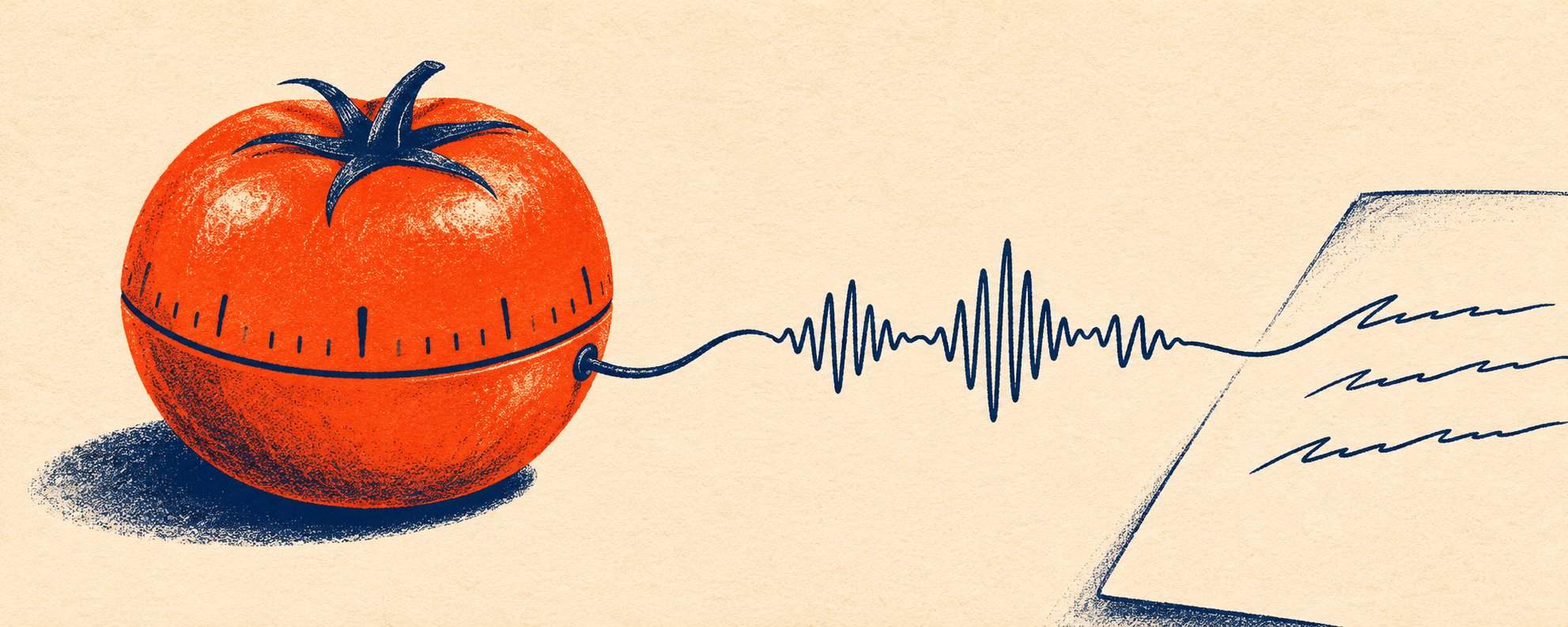
As I write this, I am using my Pomodoro app MinuteTrail to track my focus time on my Mac, and I’m dictating parts of the article with MacDictate, my own alternative to Wispr Flow. I built both apps last week. I now use them every day.
What surprised me most was how little time it took. For each app, 30 minutes passed between starting to build with ChatGPT and being able to use it on my Mac.
I had a point of comparison. In May and June, I built a personal CRM and connected it to ChatGPT through MCP. It took several days, billions of tokens and many iterations to get it working the way I wanted. I still use it every day. That felt like time well spent on a tool that helps me manage my professional relationships. I doubt I would have spent several days building a Pomodoro timer or an AI-powered voice dictation app.
Last week I tried a different approach. For the two Mac apps, I asked ChatGPT (Astra Ultra intelligence setting) to use the Reverse Engineer Anything (REA) toolkit to analyse how the existing software worked and put together a plan. I gave the plan to Codex with lower intelligence and effort settings and tried the resulting app on my Mac. Those 30 minutes included the analysis, the planning, and the build.
REA is an open-source toolkit that enables AI coding agents to analyze existing software and understand how it works, without accessing its source code.
The alternatives I considered were a Wispr Flow subscription at $15 a month and a Pomodoro app at €20 as a one-time purchase. Over the first year, that would come to $180 for dictation plus €20 for the timer app.
There’s some pride in seeing my own apps running on my Mac. What I value most, though, is how well they fit. If I want the timer to behave differently or the dictation app to handle something another way, I can change it. It feels a bit like wearing a tailored suit.
Where does that leave the software moat?
Two prominent examples are PhotoCraft and WordCraft, two free, open-source applications from the ArtCraft ecosystem. They aim to provide alternatives to commercial creative and productivity software, with native desktop applications and support for AI-agent workflows. You can explore the complete collection at ArtCraft.
I think that software in itself will, for the foreseeable future, offer a moat only in certain areas, like those where a system of record is very important for businesses to do business. The moat or lasting competitive advantage of "software" companies will be there where software is deeply intertwined with hardware or services, or integrated into existing processes.
Where would I start in an industrial company?
In my consulting work, I’ve seen small productivity problems stay unresolved because the available software didn’t quite fit and custom development was hard to justify. I’d revisit those decisions first. For a task with a clear scope, a team could try building a tool, put it to use, and see whether the time it saves justifies maintaining it.
Now is a good time for leaders to ask one question. Which recurring task in our company has always seemed too small for a software project but takes enough time that building a tool for it would be worthwhile?
Written by me and partly dictated with MacDictate. Editing and cover image by ChatGPT.